
Keeping our floors clean is a universal chore, but with so many different mops on the market, how do you know which one is right for you? The right mop can make cleaning quicker, easier, and more effective.
Let’s break down the most common types of household mops and their pros and cons to help you make an informed choice.
1. The String Mop (or Traditional Wet Mop)
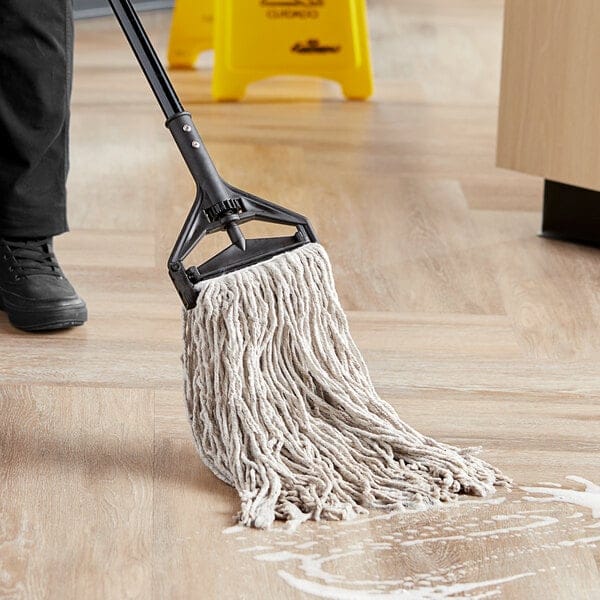
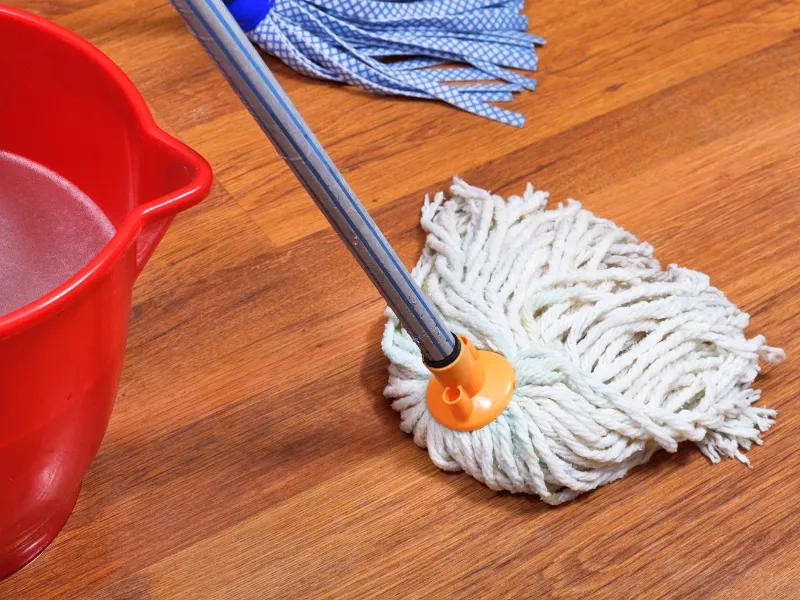
What it is: This is the classic mop everyone pictures—a long handle with thick, absorbent cotton or synthetic strings.
- Pros:
- Highly Absorbent: Excellent for soaking up large spills and cleaning large areas.
- Affordable: Usually one of the most budget-friendly options.
- Reaches Everywhere: The strings can easily get into corners and around furniture legs.
- Cons:
- Hard to Wring: Requires a bucket with a wringer, and wringing can be physically demanding.
- Can Be Unhygienic: If not rinsed thoroughly, you can spread dirt around. The mop head can also harbor bacteria if not dried properly.
- Heavy When Wet: Can be cumbersome to lift and carry.
Best for: Large, open spaces like garages, basements, or for cleaning up big spills.
2. The Flat Mop (or Microfiber Mop)
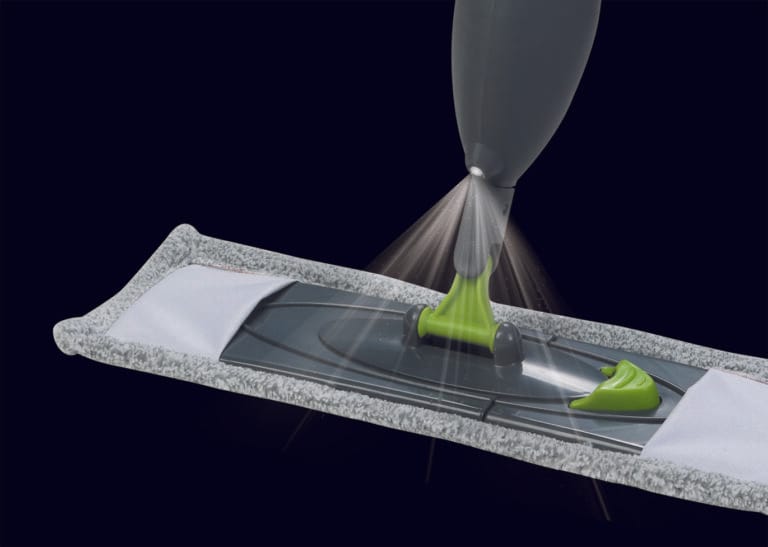
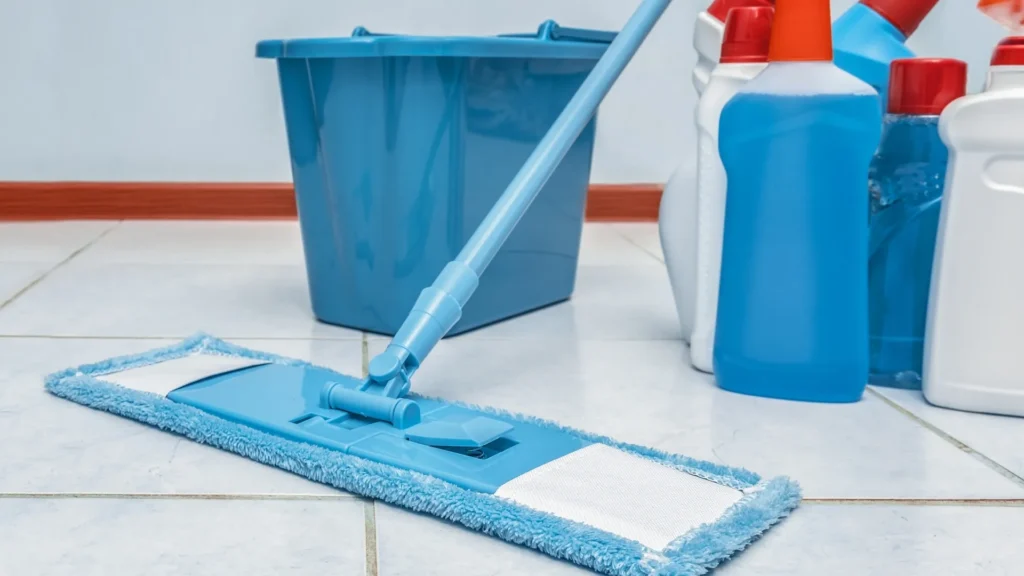
What it is: A mop with a flat, rectangular head covered by a removable microfiber pad.
- Pros:
- Superior Cleaning: Microfiber traps dust, dirt, and hair incredibly well instead of pushing it around.
- Lightweight & Easy to Use: Very easy to maneuver under furniture.
- Machine Washable Pads: The pads are reusable and easy to clean, making them more hygienic.
- Spray Function (common): Many models come with a trigger and bottle to spray cleaning solution directly onto the floor.
- Cons:
- Pads Need Washing: You need to have spare pads or do laundry frequently.
- Not Ideal for Large Spills: The pad can become saturated quickly.
Best for: Daily maintenance on hardwood, laminate, tile, and vinyl floors. A favorite for quick clean-ups.
3. The Spin Mop
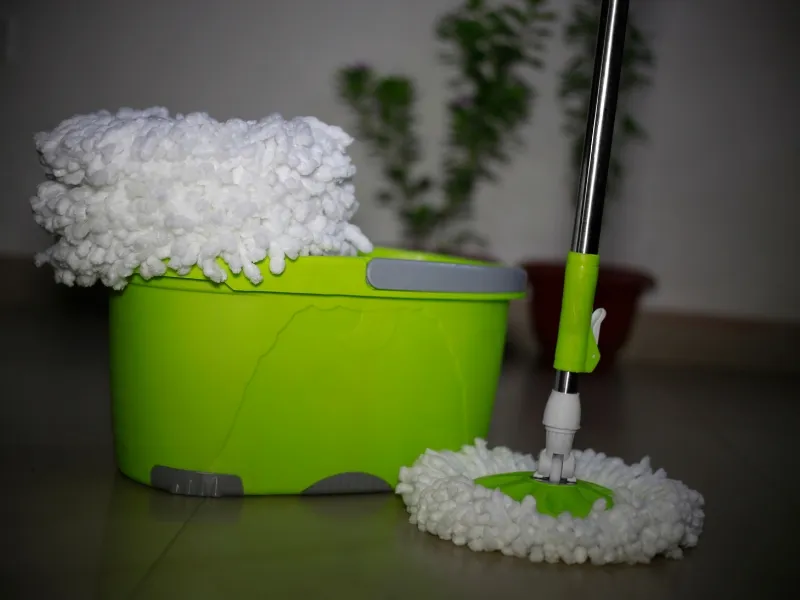
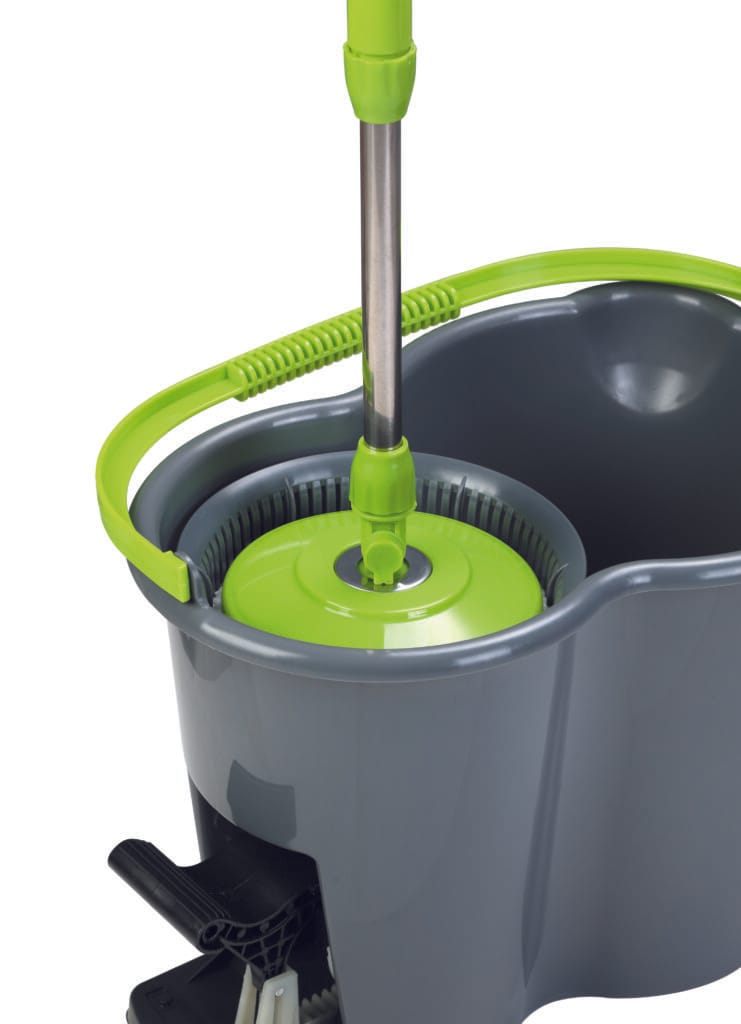
What it is: A bucket-and-mop system where the bucket has a built-in mechanism to spin the mop head dry.
- Pros:
- Effortless Wringing: The foot-pedal or hand-crank spinner makes wringing out the mop easy and effective.
- Perfect Dampness: You can achieve the ideal level of dampness for your floor type, which is great for water-sensitive floors.
- Hygienic System: The self-contained bucket often has two chambers—one for clean water and one for dirty water.
- Cons:
- Bulky Storage: The bucket system takes up more space than a standard bucket.
- Can Be More Expensive: The initial cost is higher than a basic string mop.
Best for: Families and those who want a hassle-free, effective wringing system. Excellent for tile and sealed hardwood.
4. The Sponge Mop
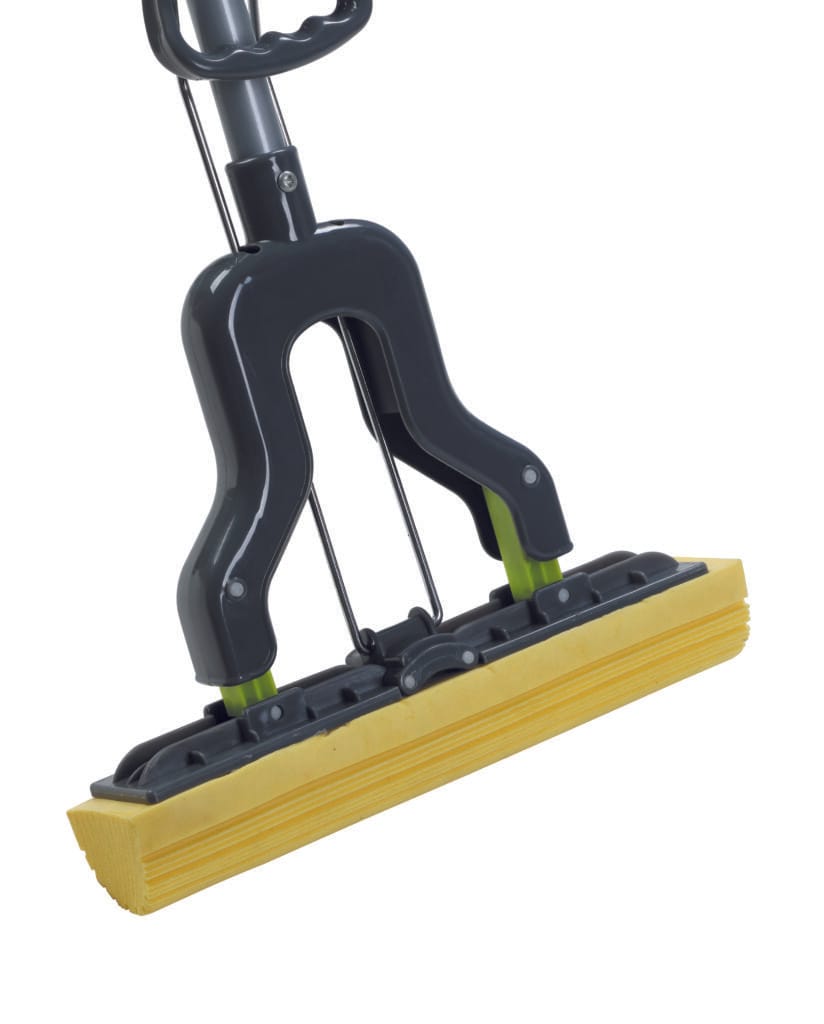
What it is: A mop with a sponge head, usually with a wringing mechanism built into the handle.
- Pros:
- Excellent for Small Spills: The sponge is great for soaking up water and liquid spills quickly.
- Simple Wringing: The lever on the handle makes wringing straightforward.
- Cons:
- Can Harbor Bacteria: Sponges are notorious for holding onto germs and can develop a smell if not replaced often.
- Can Scratch: Grit can get trapped in the sponge and potentially scratch delicate floor surfaces.
- Shorter Lifespan: The sponge head wears out and needs frequent replacement.
Best for: Quick kitchen or bathroom clean-ups, but not recommended as a primary mop.
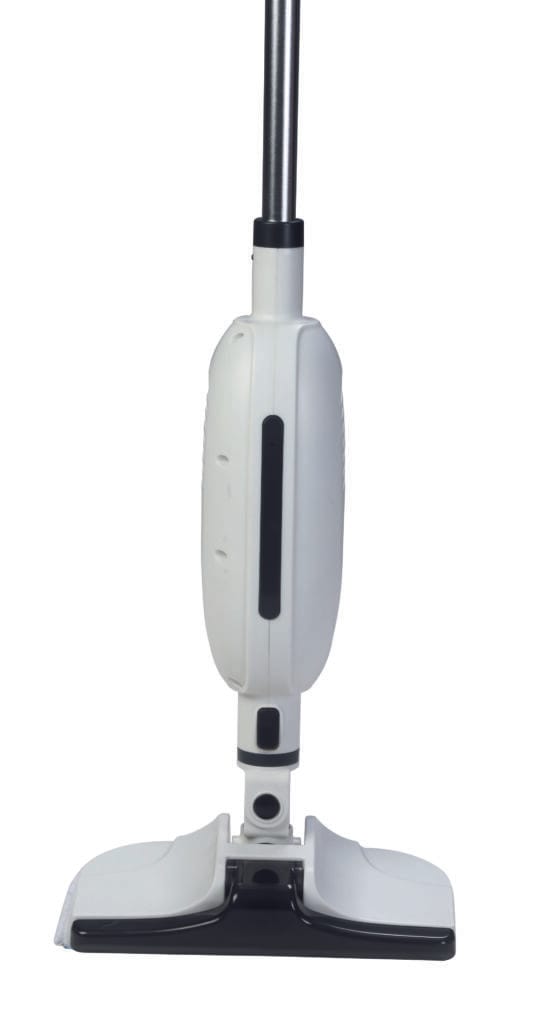
5. The Steam Mop
What it is: An electric mop that heats water to produce steam, which sanitizes and cleans the floor.
- Pros:
- Chemical-Free Cleaning: Uses only water to sanitize and disinfect floors, killing 99.9% of germs and bacteria.
- Powerful Cleaning: The heat and steam help to loosen stuck-on grime.
- Dries Quickly: Leaves very little moisture behind, making it safe for many sealed hard floors.
- Cons:
- Not for All Floors: Never use on unsealed hardwood, laminate, or bamboo as the moisture and heat can cause damage.
- Cord Can Be Limiting: You are tethered to an electrical outlet.
- Higher Price Point: More expensive than traditional mops.
Best for: Sanitizing sealed tile, vinyl, and laminate floors, especially in kitchens and bathrooms.
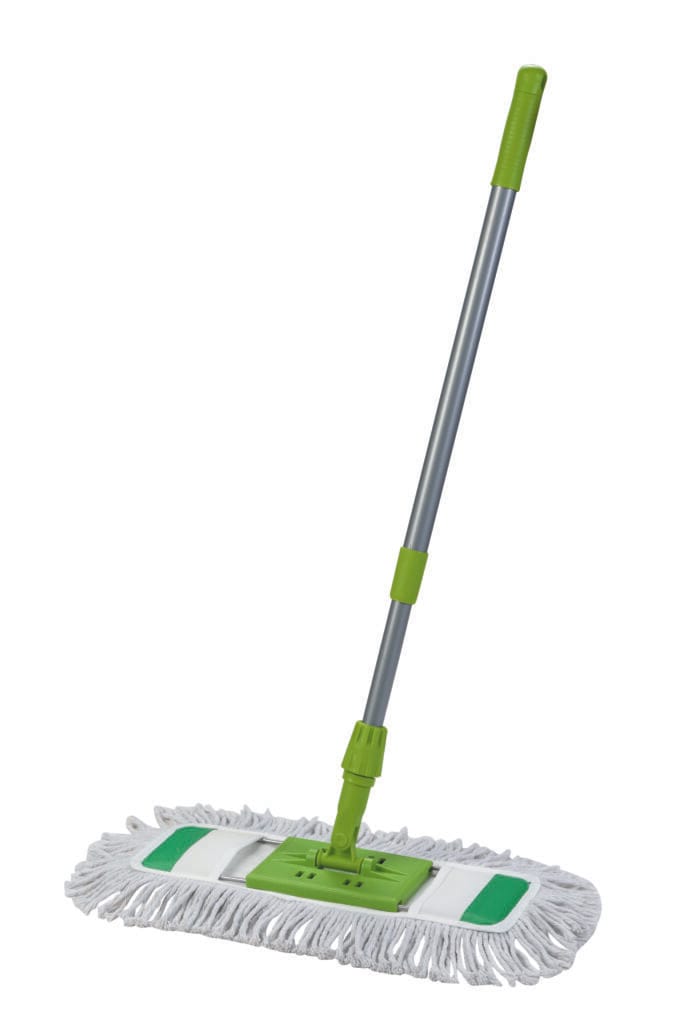
6. The Dust Mop
What it is: A flat mop designed for dry use, typically with a soft, electrostatic or microfiber pad to attract dust.
- Pros:
- Quick Dry Cleaning: Perfect for daily dust, pet hair, and debris removal without any moisture.
- Extends Time Between Wet Mops: Reduces the frequency of deep cleaning.
- Easy to Use: Simply glide it across the floor and shake out or wash the pad.
- Cons:
- Not for Sticky Spills: Only for dry debris.
Best for: Quick daily or weekly dusting of all floor types.
Conclusion: Which Mop is Right for You?
The “best” mop depends entirely on your needs:
- For most homes: A Flat Microfiber Mop is a versatile and excellent all-rounder.
- For deep cleaning and sanitizing: A Steam Mop (if your floors allow it) or a Spin Mop are fantastic choices.
- For quick daily dusting: A Dust Mop is a must-have.
Many households find that having two types—like a dust mop for daily use and a spin mop or steam mop for weekly cleaning—is the perfect combination for a spotless home with minimal effort.
Happy cleaning
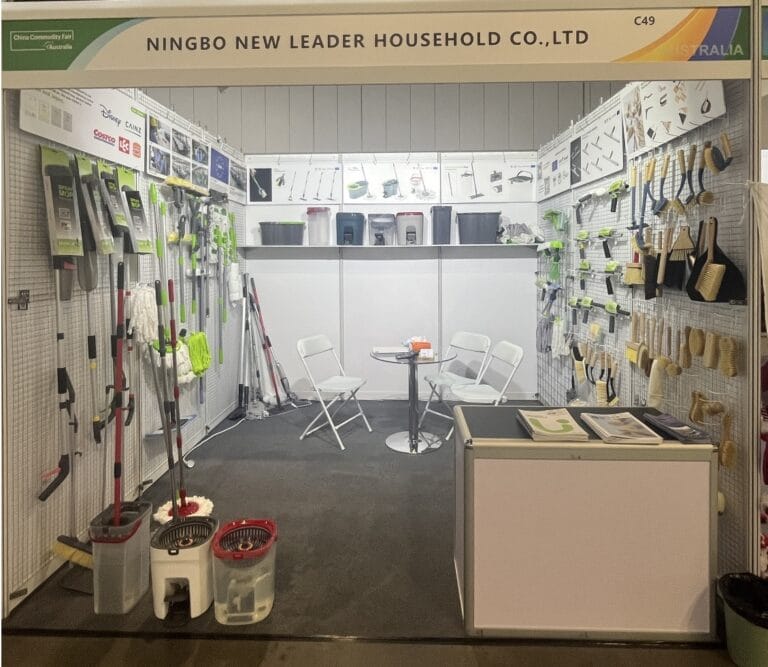
Contact 22 years cleaning tool EU & Japanese professional supplier Newleader
sale@newleader-household.com